On measuring length and diameter of rope
Jan 22, 2026
I think it might help to understand the large number of variables in materials and processes that come into consideration when dealing with rope in general and our ropes specifically.
In use:
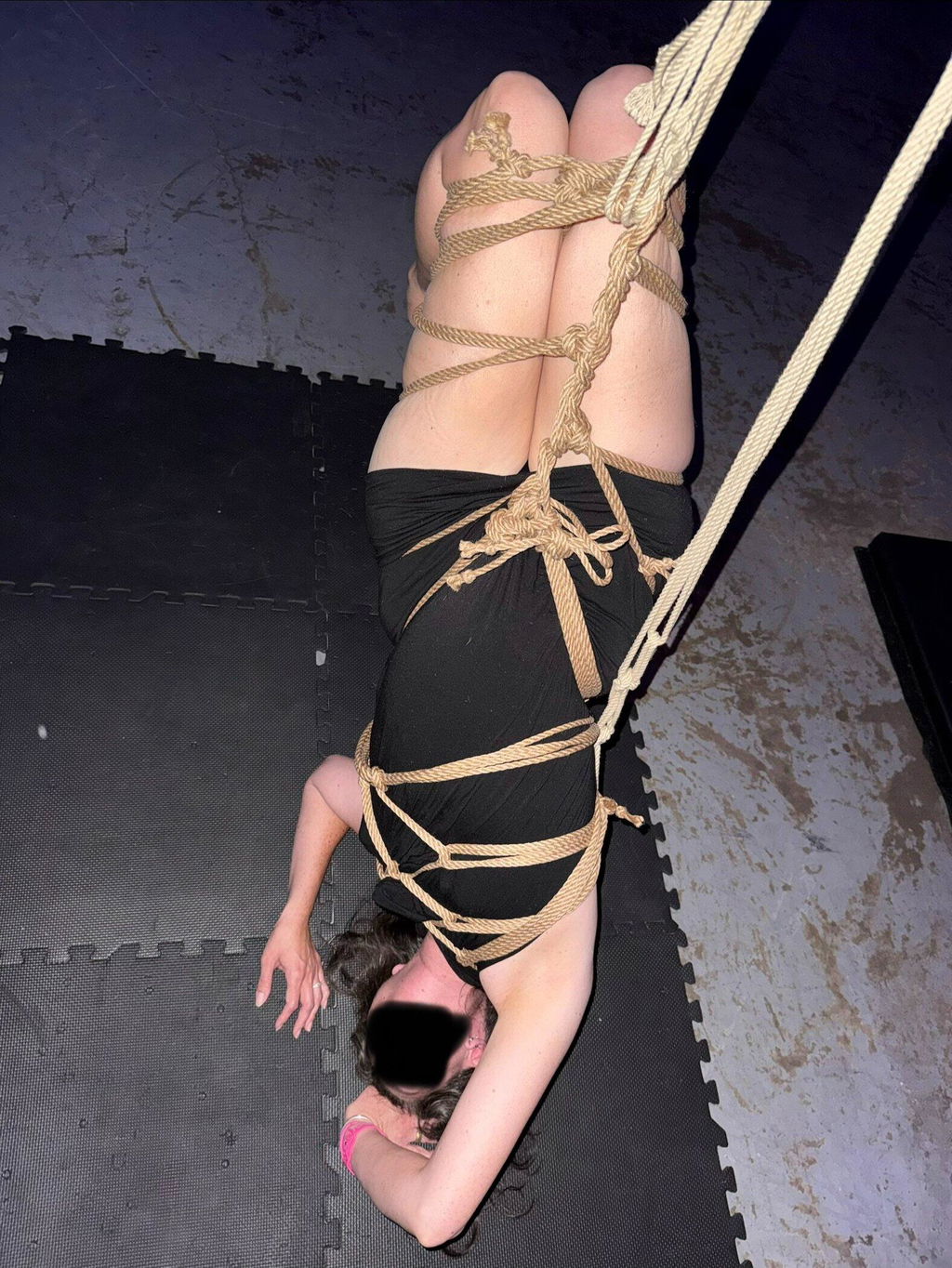
All ropes but especially twisted ropes change shape during and after use. Twisted ropes are coiled springs. Three strand rope consists of three coiled springs wrapped around each other forming another coiled spring. When the rope has pressure applied to it the springs uncoil some and become longer and thinner. When the pressure is released the springs recoil but never completely. The more you use the rope and the more load applied the longer and thinner the rope will be at rest. The individual fibers in the rope break down during use so the rope becomes softer. Eventually the fibers break down to the point that the rope will no longer stretch, and it will wear out and break. How the rope is wound and the materials used also come into play. I will elaborate on that below. To see this in practice, measure a rope before tying and again immediately after tying and note the difference. It is more pronounced if the rope was used for a main up line in suspension.
Our ropes can only be as consistent as the materials we use.
Base material:
The fibers a rope is made from affect the length and diameter of the rope when it is made and over the life of the rope. Natural fibers such as jute and hemp change properties dramatically depending on humidity and somewhat with temperature. These changes are very visible with the fibers having been made into rope. A jute rope is up to 30% shorter when wet. The fibers swell and curl as they take on moisture. They also become much stiffer. When dried again, they do not uncurl and lengthen on their own. They must be stretched. The moisture they still contain during the stretching process directly affects how much curl is taken out of the fibers. Hemp does this as well but to a lesser extent as the fibers are much longer than jute and have more elasticity allowing for more of a spring back to their original shape.
Synthetic fibers have little to no change from moisture. They act the same wet or dry. Temperature is another matter. Polyester (POSH) can change length and thickness depending on fluxuations of the temperature in the room.
Yarn:
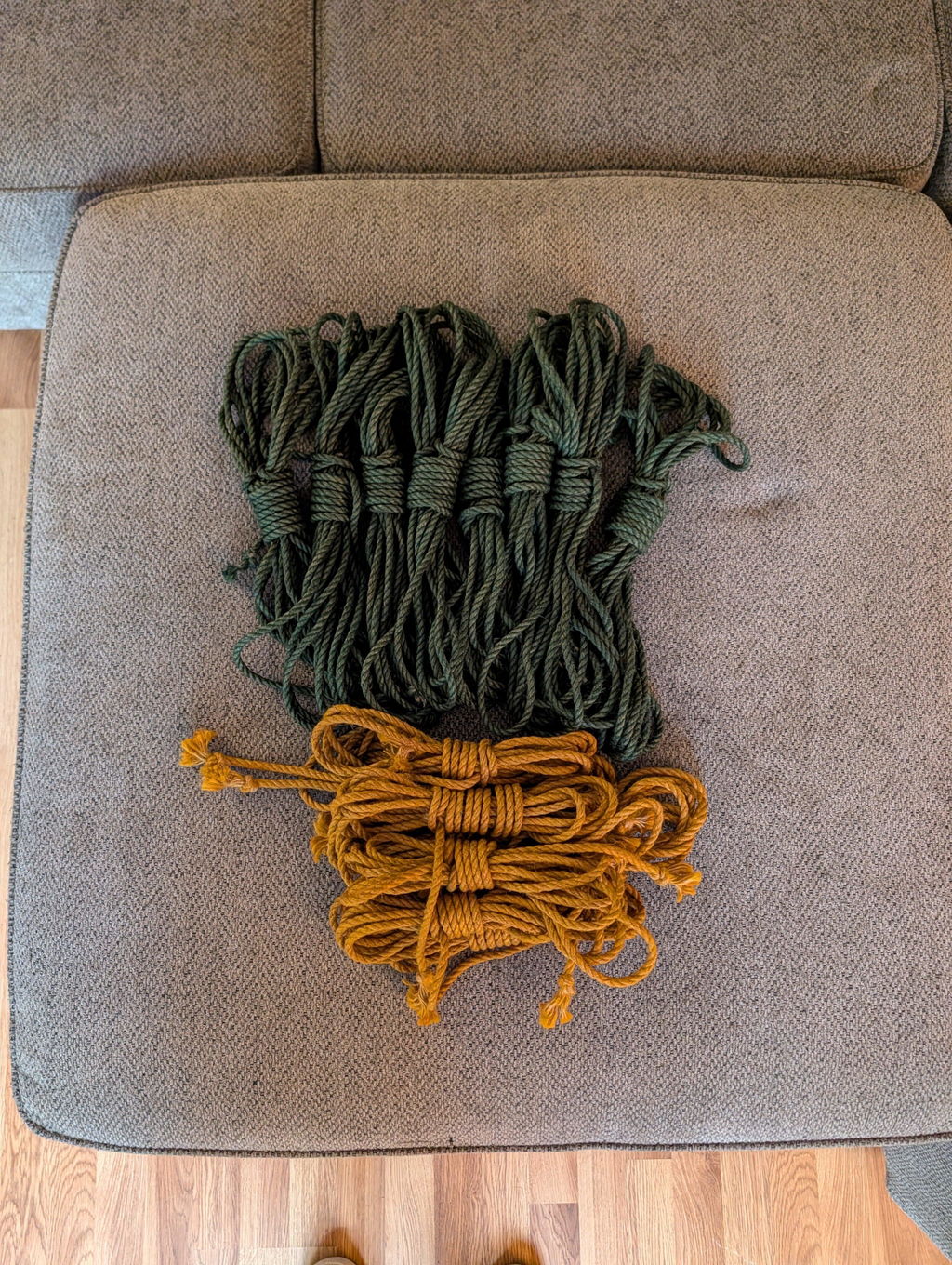
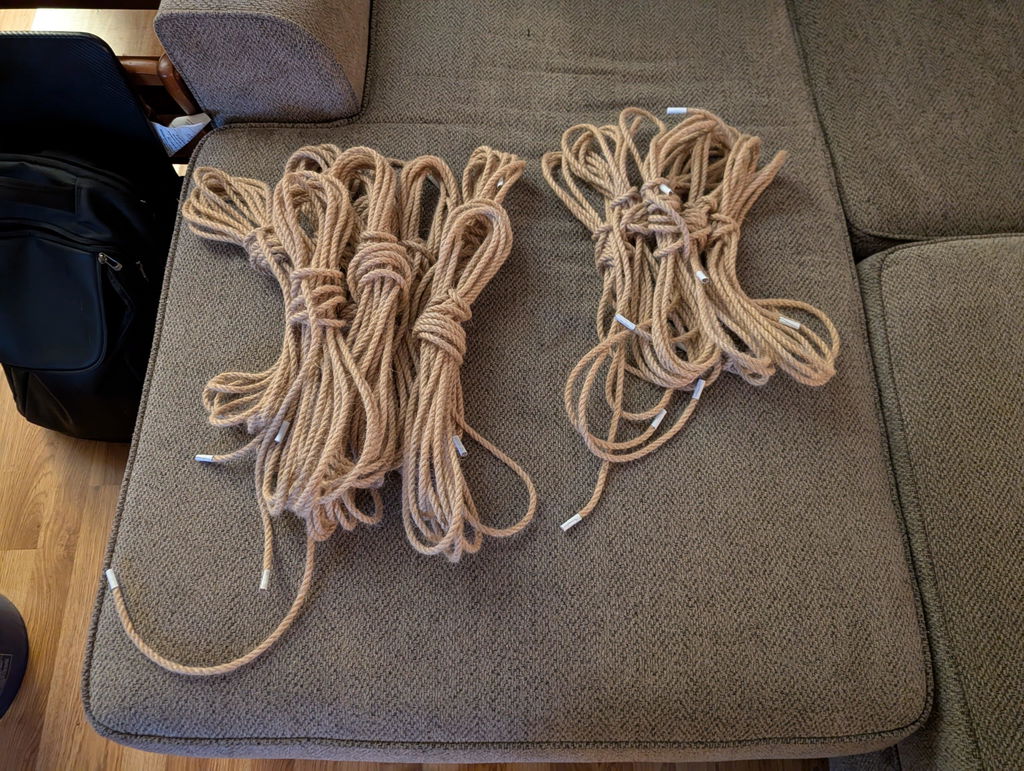
Any filament used to make rope is referred to as yarn. Most natural materials: jute, hemp, silk, cotton, wool etc. are made into yarn by the spinning process where fibers are drawn out and twisted together. The finer the fiber the more even the twist can be. Silk is one of the best for consistency. Jute, especially dyed jute, is notoriously inconsistent. One can take two sections of dyed jute yarn from the same spool and there be 500% difference in their diameters. There's a reason that natural fiber yarns are measured by weight and not length. We also find that each color of yarn will have an overall difference in thickness. Overall these variations average out but they can account for sections of the same rope being thicker than others. So two given ropes with the same number of yarns that are rated the same by the yarn manufacturer will have differences in diameter. Our 6mm ropes are a range between 5.9mm and 6.4mm even though the yarns are rated as the same by the manufacturer and everything else is equal.
The dyes used to color the yarn can also affect the properties of the yarn and thus the rope made from them. Each color of dye is made from different minerals and chemicals. They can allow or block more moisture to be absorbed by the yarn's fibers.
Process:
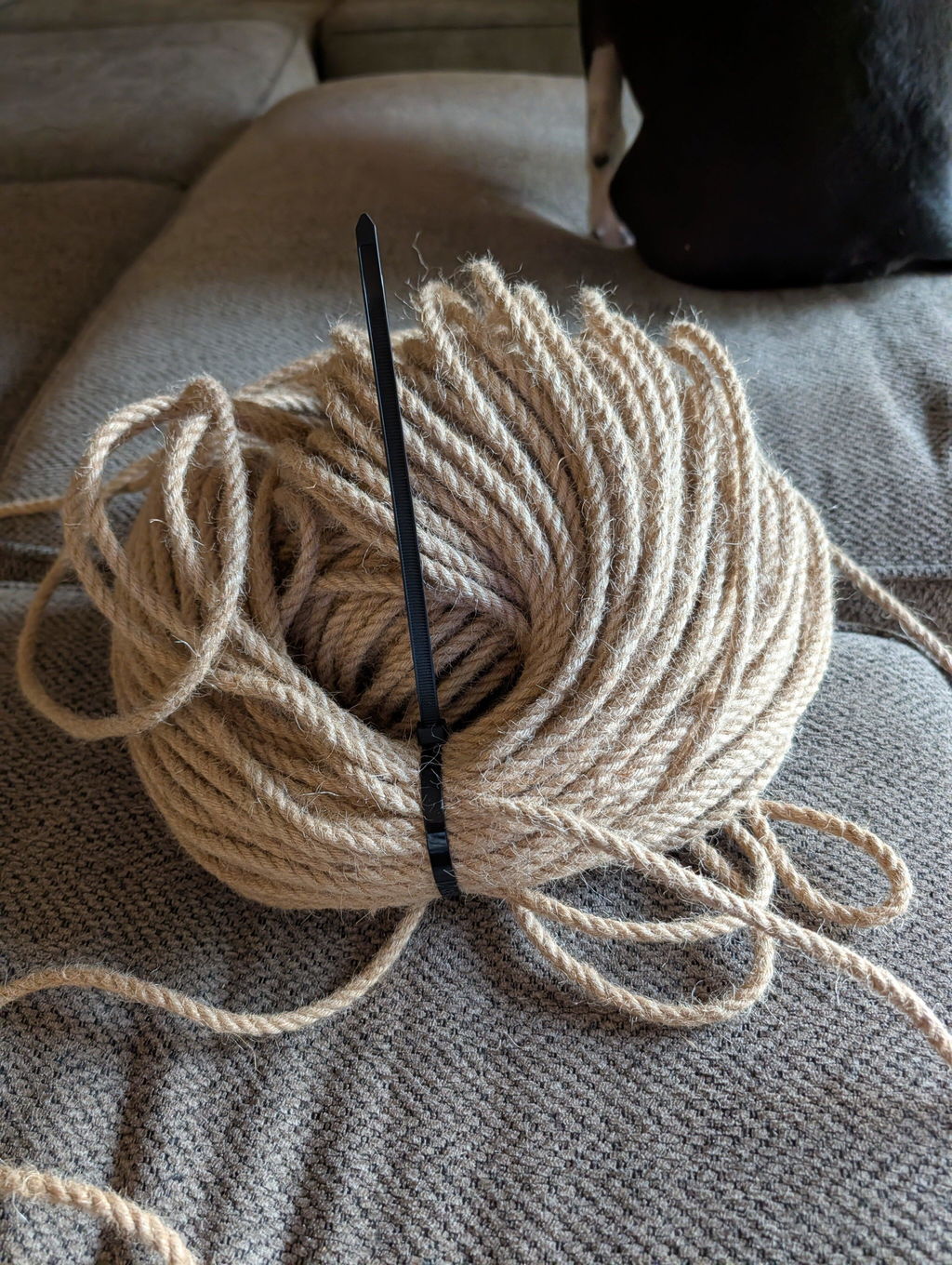
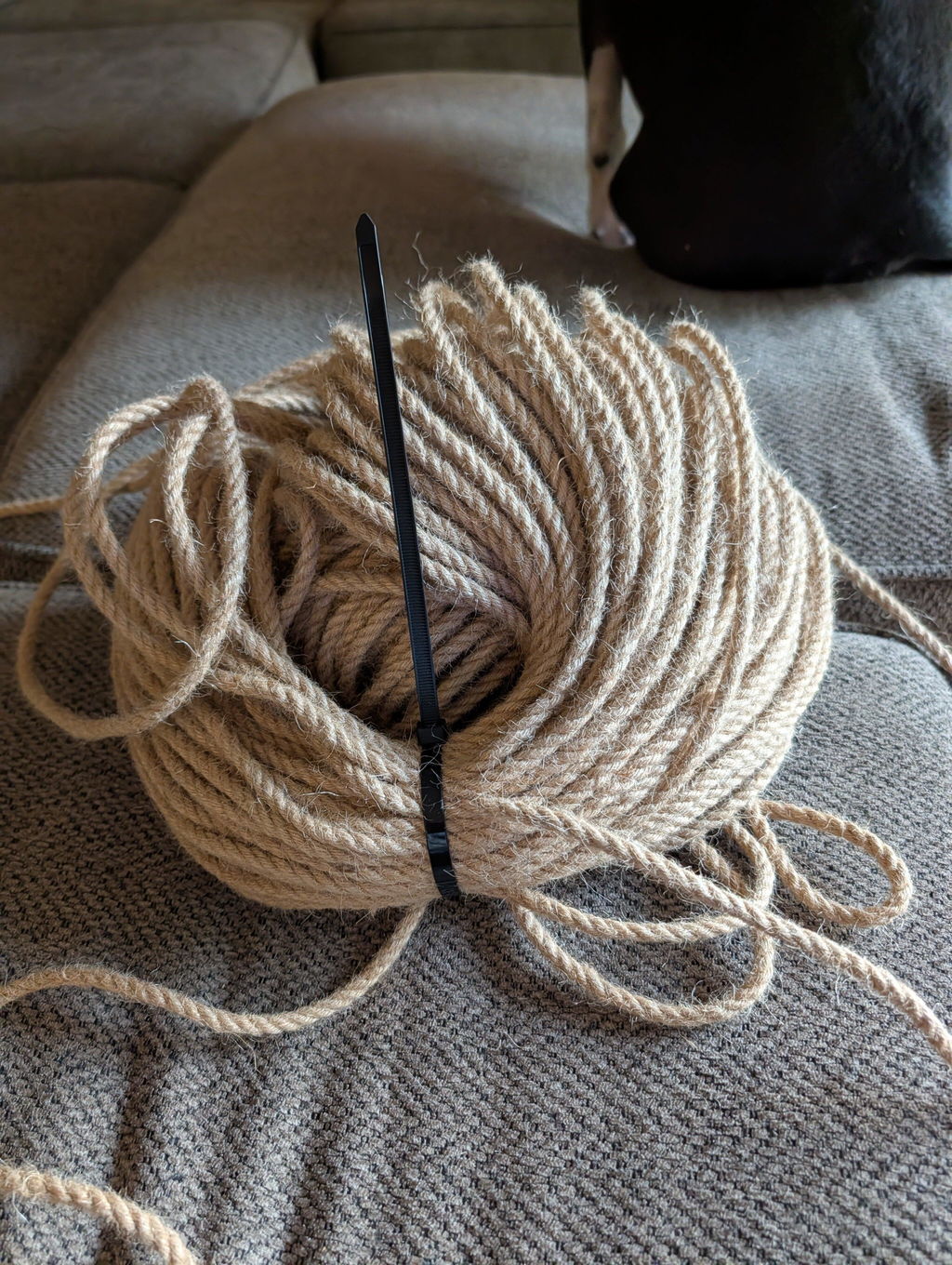
deGiotto Rope is a small family run business. We make with our own variation of a centuries old process. Rope is made outdoors using simple home made machines to spin, coil, wash, soften, defuzz and condition the ropes. Where we can, we have machines that we purchase and repurpose for our use. We closely watch the materials and the machines for imperfections and inconsistencies. We're only human though and making rope by these methods is as much art/craft as it is science.
Weather:
Even under the best of circumstances, we still have to deal with the variations in weather and Southeast Texas weather is VERY variable. As I write this, yesterday's weather was dry and sunny with temperatures around 80 degrees (27 C) with humidity around 40%, today is 70 (21 C) with 91% humidity and in two days they are predicting temps of 27 (-3 C) with ice storms. These variations not only change the properties of the materials but the functioning of the machines as well.
Measuring:
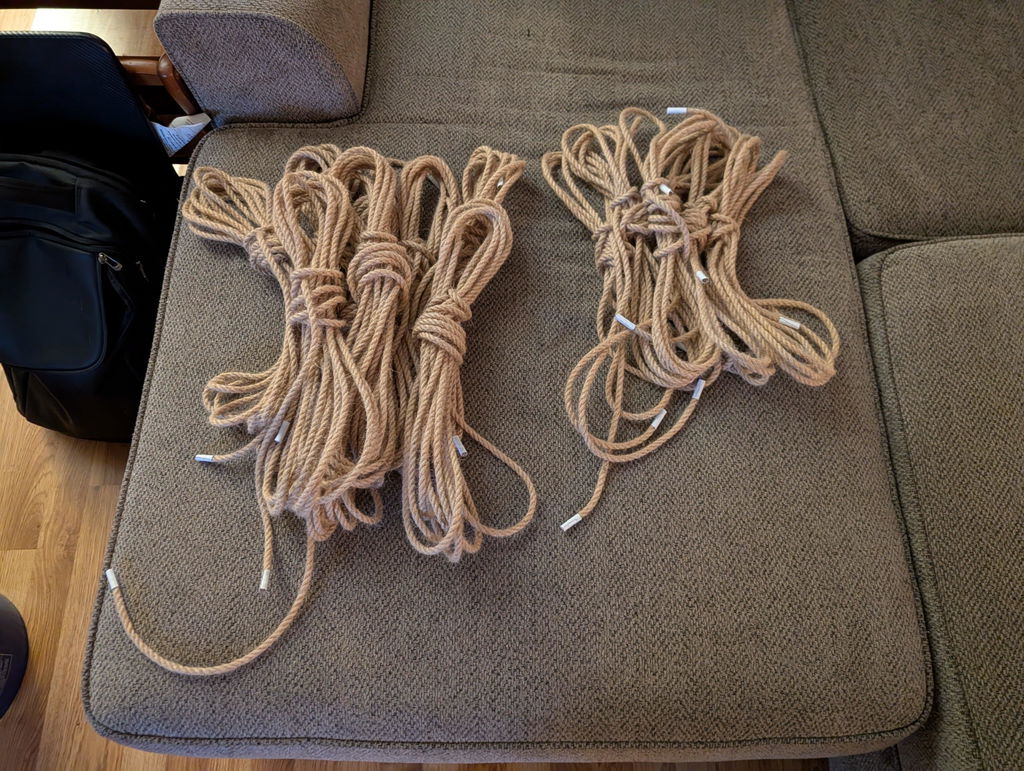
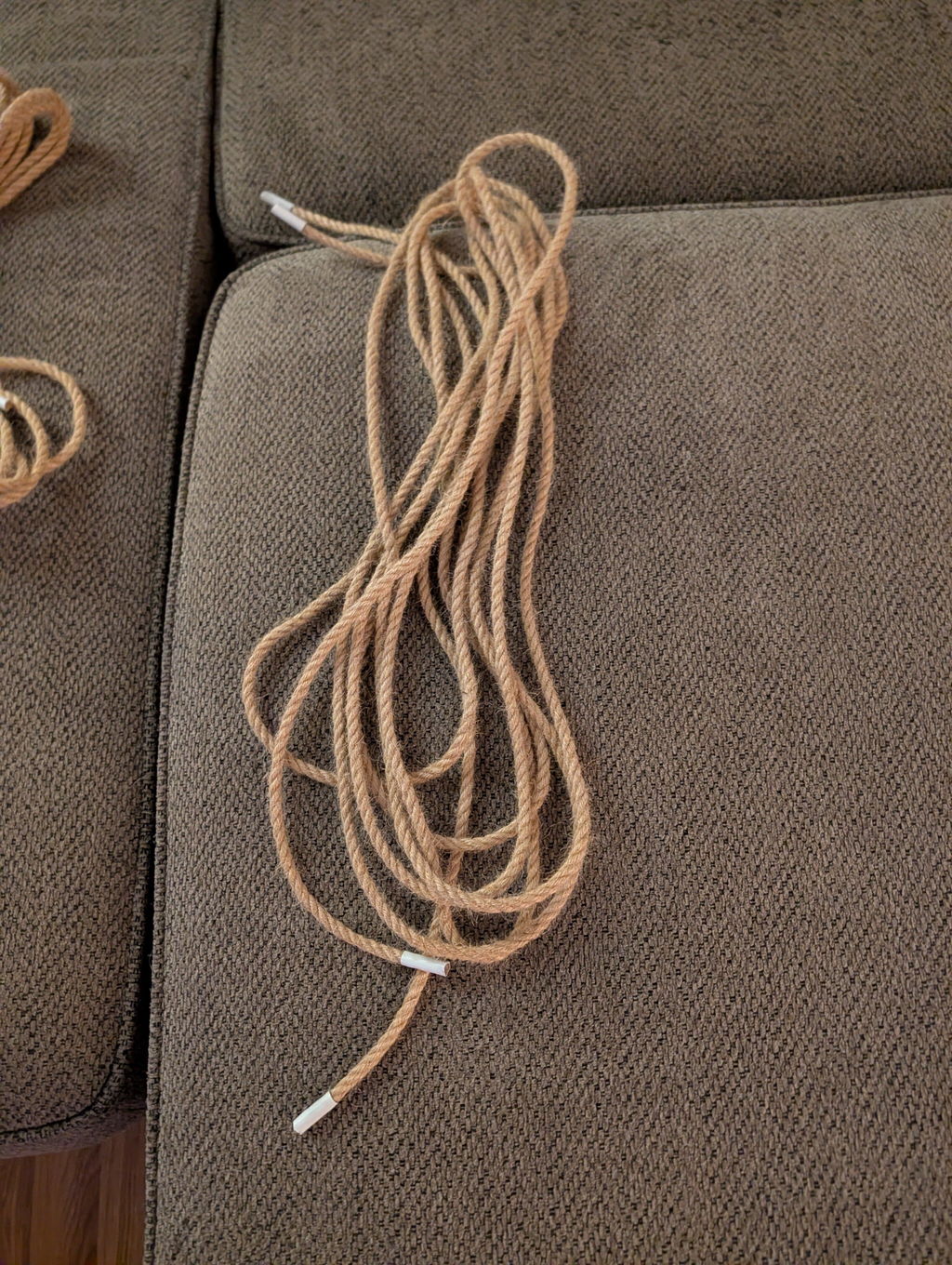
We measure our ropes for cutting with a factory-made machine built for that purpose. It applies about 2 pounds (1 Kg) of linear force to the rope as it is being measured. We add a bit of length to each rope depending on how the ends are to be finished. A bit for the ends that stick out past the whipping. Quite a bit more if the rope is to be knotted. The machine is consistent. The rope is not for all the reasons listed above for use, materials and process. You can measure a rope and then measure it again immediately afterwards and it will not come out the same. Add in other variables like the tension in the rope as it is wound on the spool, how long since it has been made, the original tension it was made with and the final length delivered to you can vary. The rope can "relax" a lot after it has been cut. When the rope is a shorter length there is less weight holding the fibers and twist under tension and the rope becomes shorter, thicker and usually looser. This is ESPECIALLY TRUE WITH POSH but also applies to other ropes. POSH ropes are wound and spooled under very high tension. We have found that POSH ropes can lose up to 20% of their length after despooling and cutting to length depending on time and temperature exposure. After some hard lessons learned, we despool all of our POSH ropes for a minimum of 24 hours before cutting but they can still lose length (and gain thickness).
The bottom line is that the measurement of rope and twisted rope in particular is a moving target. We do our best to be consistent and always seek ways to improve.
Contact us by text at 1-512-923-8133 or info@degiottorope.com for more information.